


Short answer: Good plumber website design puts a tap-to-call phone number at the top of every page, shows your service area and emergency hours right away, gives each service its own page, displays real reviews, loads in under three seconds on a phone, and makes a quote request take less than a minute. Those few things decide whether a homeowner with a leak calls you or the next plumber on Google.
Most people who need a plumber are stressed and on a phone. They search, open two or three websites, and call the one that looks trustworthy and easy. This guide explains what a plumber website design needs in 2026 to win that call, what to leave out, and how to check your own site in ten minutes. Last updated November 25, 2026.
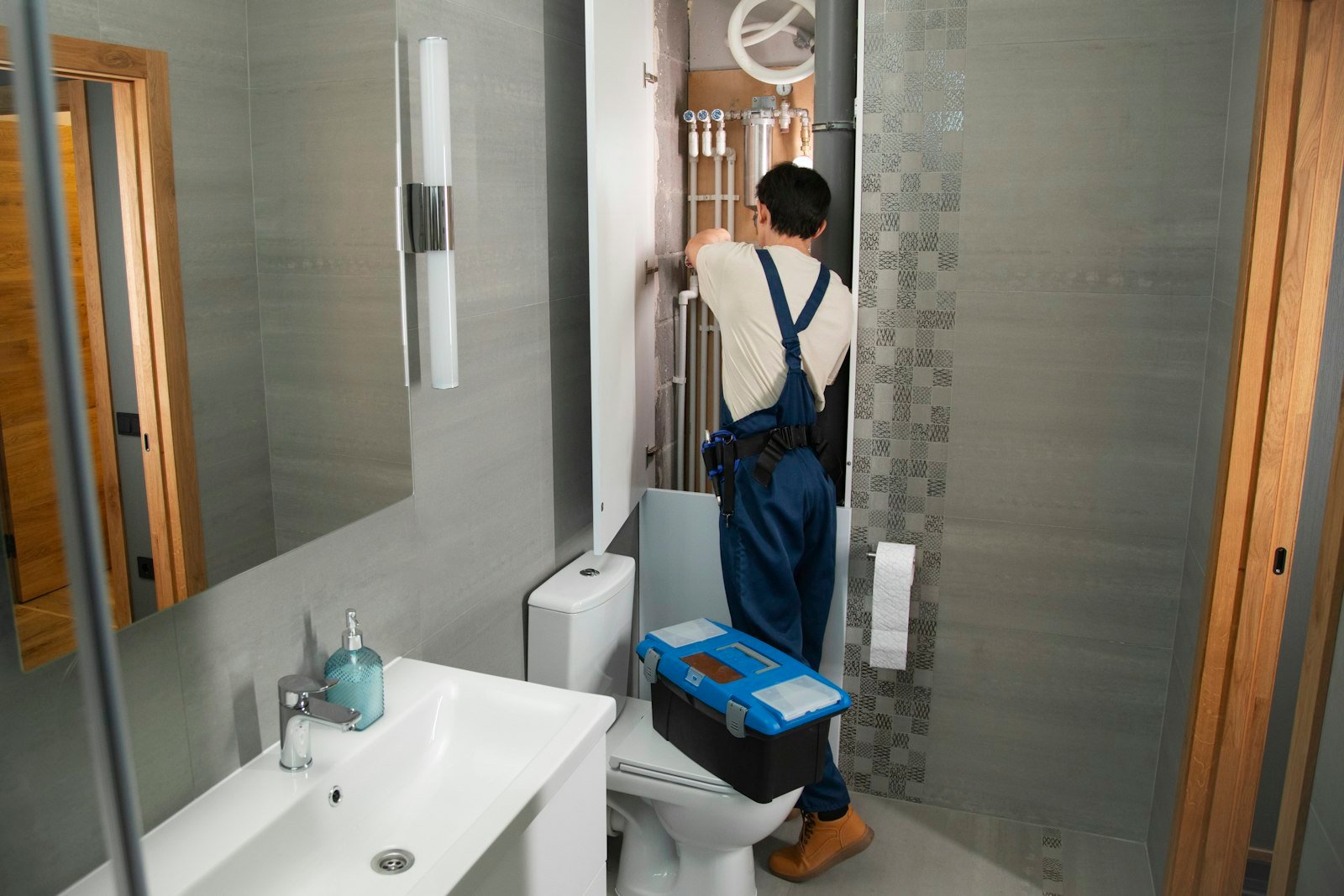
Why plumber website design matters more than most trades
Plumbing searches are urgent. A burst pipe or a backed-up drain does not wait for a second opinion, so homeowners decide in seconds. Google also shows plumbers in the Local Pack (the map results), and your Google Business Profile links straight to your website. When the website is slow, confusing or outdated, the visitor goes back and taps the next listing. A strong website turns the clicks you already earn into booked jobs.
12 features every plumber website design needs
| Feature | Why it gets more calls |
|---|---|
| Tap-to-call number in the header | Mobile visitors call with one tap instead of copying the number. |
| “24/7 emergency” or real hours above the fold | People with a leak need to know if you answer now. |
| Service area list with city names | Visitors confirm you cover them, and Google understands where you work. |
| One page per service | Drain cleaning, water heaters, leak detection and repiping each rank for their own searches. |
| Short quote form (4-5 fields) | Non-urgent jobs book online after hours. |
| Real reviews with names and towns | Trust is the main reason people choose one plumber over another. |
| License and insurance details | Shows you are a legitimate, qualified business. |
| Photos of your team and trucks | Real photos beat stock images and make you memorable. |
| Clear pricing approach (free estimates, no surprise fees) | Removes the fear of hidden costs without listing prices. |
| Fast mobile loading | Slow pages lose impatient visitors before they see your number. |
| Local SEO basics (title tags, LocalBusiness schema) | Helps you appear in local search and AI answers. |
| A sticky call button on mobile | The call option stays visible while people scroll. |
What should be on a plumber’s homepage?
Your homepage has one job: get the right visitor to call or request a quote. Above the fold, show your company name, a clear headline such as “Licensed plumbers in [city], available 24/7”, a tap-to-call button and a “Request a free estimate” button. Below that, list your main services with short descriptions and links, show three to five reviews, list the cities you serve, and finish with a second call to action. Keep paragraphs short. A homeowner should understand what you do and how to reach you in five seconds.
Service pages: the part most plumbing websites skip
Many plumbing sites have one “Services” page with a bulleted list. That page cannot rank for “water heater repair in [city]” and “drain cleaning in [city]” at the same time. Give each major service its own page with what the problem looks like, how you fix it, how long it usually takes, what homeowners should do while they wait, a few FAQs and a call button. Google’s guidance on creating helpful, people-first content rewards exactly this kind of specific, useful page.
Mobile speed and Core Web Vitals
Most plumbing traffic comes from phones, often on a weak signal. Google measures real-world loading and responsiveness through Core Web Vitals. In practice, that means compressed images, a lightweight theme, few plugins and good hosting. If your homepage takes more than three seconds to show the phone number on a phone, you are losing calls.
Local SEO built into the design
Design and SEO work together. Use your main city and service in the page title and the H1, keep your business name, address (or service area) and phone the same as on your Google Business Profile, and add LocalBusiness structured data so search engines and AI tools understand your business. Google explains this markup in its local business structured data guide. Our guide to local SEO for small business covers the rest.
Common plumber website mistakes
- A phone number that is plain text, so it cannot be tapped.
- Old copyright years, expired coupons or last season’s promotions.
- Stock photos of models instead of your real team.
- Long contact forms that ask for too much.
- No mention of emergency service or after-hours availability.
- Different phone numbers in the header, footer and Google profile.
How to check your plumbing website in 10 minutes
- Open your site on your phone and time how long it takes to see your number.
- Tap the number. Does it dial?
- Look for your service area and hours without scrolling.
- Count your service pages. Is each main service on its own page?
- Check that reviews are visible on the homepage.
- Fill in your own quote form and see if the email arrives.
If two or more of these fail, your website is probably costing you jobs. Our website redesign checklist walks through the next steps.
How eSmarts Solution approaches plumber website design
At eSmarts Solution we build plumbing websites around one goal: more calls from the right customers. That means a tap-to-call header, a page for every service you want to grow, real reviews, fast hosting and local SEO from day one. See our home services website design work and the 7 website must-haves for home service businesses.
Frequently asked questions
How much does a plumber website cost?
It depends on the number of service pages, the features and whether you need local SEO. We give every plumbing company a flat custom quote after a short call, with no surprise fees.
How many pages should a plumbing website have?
Most growing plumbing companies need a homepage, one page per main service, a service area page, an about page with licensing details, a reviews page and a contact page. That is usually 10 to 20 pages.
Do plumbers really need a website if they have a Google Business Profile?
Yes. Your Google profile sends people to your website, and the website is where they decide to call. Service pages also help you rank for searches your profile alone cannot cover.
How long does it take to build a plumber website?
A focused plumbing website usually takes two to four weeks, depending on how quickly content, photos and reviews are ready.